Live DTF vs Screen Printing at Events
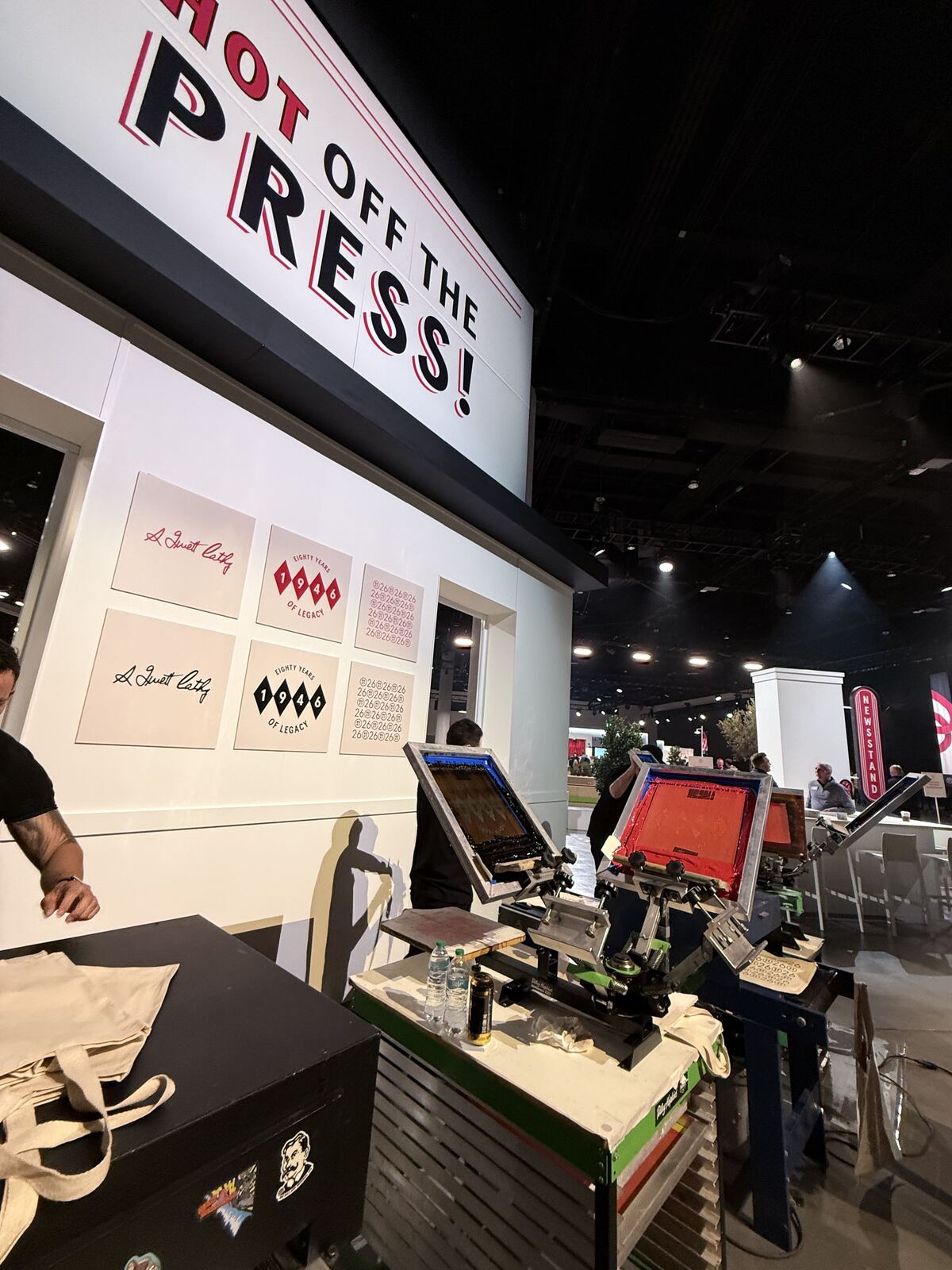
Both put a design on a shirt in front of your guests, but they get there differently. Knowing when each one wins helps you pick the station that fits your event instead of defaulting to one.
Live DTF: speed and full color
Direct-to-film transfers are our default for a reason. Artwork is printed to film, powdered, cured, and heat-pressed onto the garment in about a minute — with no color limits and a soft, wash-durable finish. DTF presses cleanly onto darks and blends, so it handles almost any garment a guest might choose. For high-traffic events where the line is the product, DTF's speed and flexibility usually make it the right call.
Screen printing: the classic look
Screen printing pulls ink through a mesh screen, giving that unmistakable, slightly textured finish people associate with a 'real' printed shirt. It shines for bold one- and two-color designs and for clients who specifically want that authentic feel produced live. The trade-off is setup: each color needs its own screen, so it's best when the design is simple and the look matters more than raw speed.
Durability and hand-feel
Both hold up well when done right. Quality DTF is soft and stretches with the fabric, resisting the cracking you get from cheap vinyl. Screen prints are famously durable and breathable, especially with the right ink and cure. For most guests, both will outlast the memory of the event — which is the point.
How to choose for your event
Default to live DTF when you need speed, full color, or lots of garment variety — festivals, big corporate crowds, and anything high-volume. Reach for screen printing when a client wants that classic pulled-live look on a bold, simple design and the pace is more relaxed. Not sure? Tell us the crowd and the vibe and we'll recommend the station that fits.